
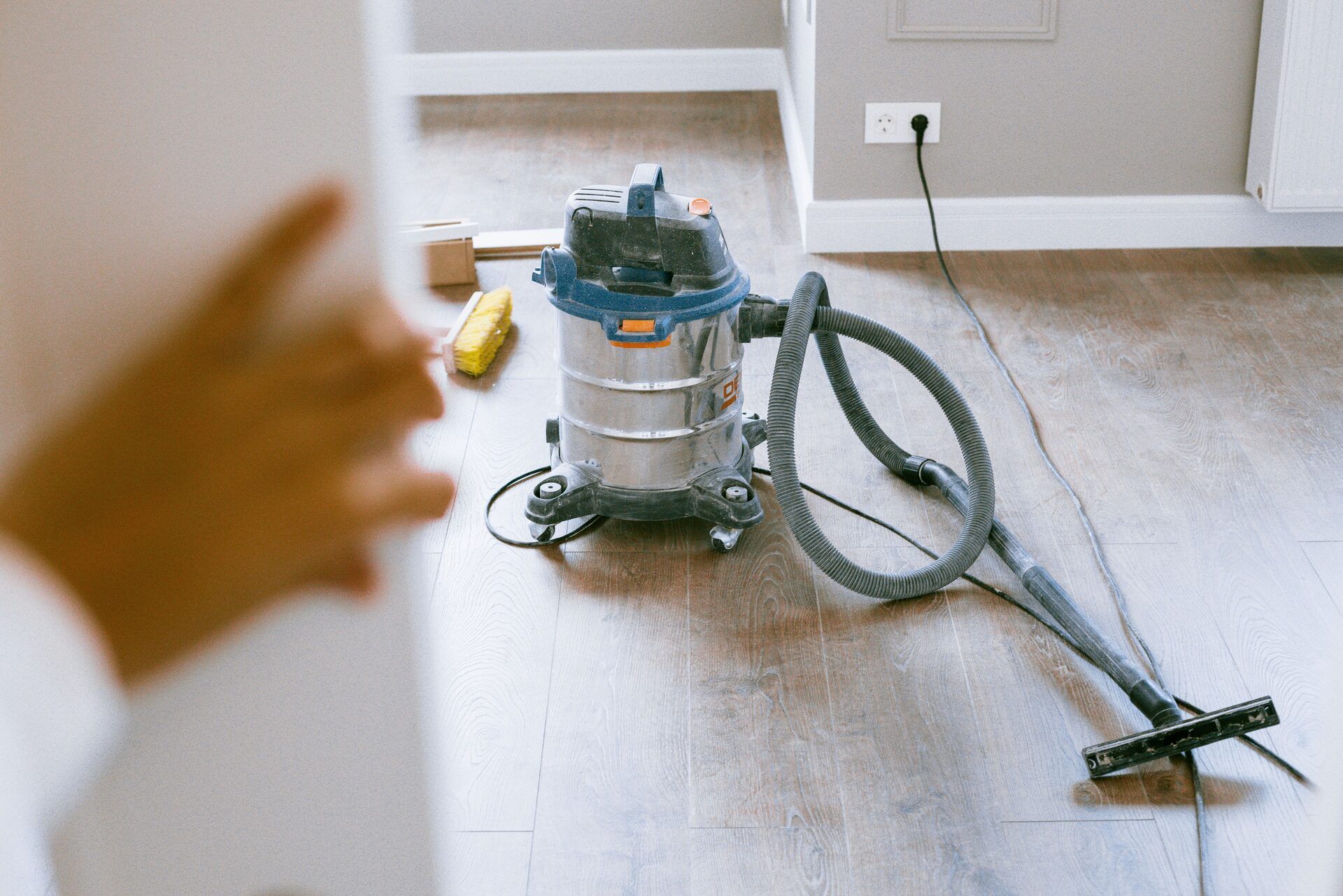
Book your post-construction clean in Geneva
The trades have gone, the dust has stayed. It all gets picked up, in two passes.
- Providers vetted by hand
- You choose your provider
- Paid once the service is done
No commitment, rate confirmed before you book
What makes construction dust so hard to get rid of
This is the clean that follows building work, once the trades have gone and the rubble has been taken away. It is like no other: plaster and cement dust is extremely fine, it has worked its way everywhere, into window runners, ventilation grilles, the gaps in parquet, and it stays airborne for several days. On top of that come the residues: paint splashes, glue marks, silicone, labels and protective film.
That is why a post-construction clean is done in two stages, a few days apart. On Swigo you choose the provider yourself, you see their rate before booking, and the payment is only released once the work is done.
-
1 day
Typical duration
One day for a renovated flat
-
After the trades
Conditions
After the last trade, rubble already removed
-
All supplied
Equipment
Site vacuum and filters brought along
What is included, and what is not
This scope is indicative: it describes what is usually covered. Every provider adjusts their own, and you confirm it with them before booking.
-
The fine dust
Walls wiped down, ceilings and corners dusted. Skirting boards, radiators, ducts and ventilation grilles. Window runners, thresholds, switches and sockets.
-
Building residues
Plaster, paint, glue and silicone splashes. Labels, tape and protective film removed. Windows and frames gone over after scraping.
-
The floors
Fine-filter vacuuming, several passes. Washing with several changes of water, until the water stays clear. Bathroom and kitchen brought back into use.
-
Optional
A second pass a few days later, cellar or garage, to be stated when booking.
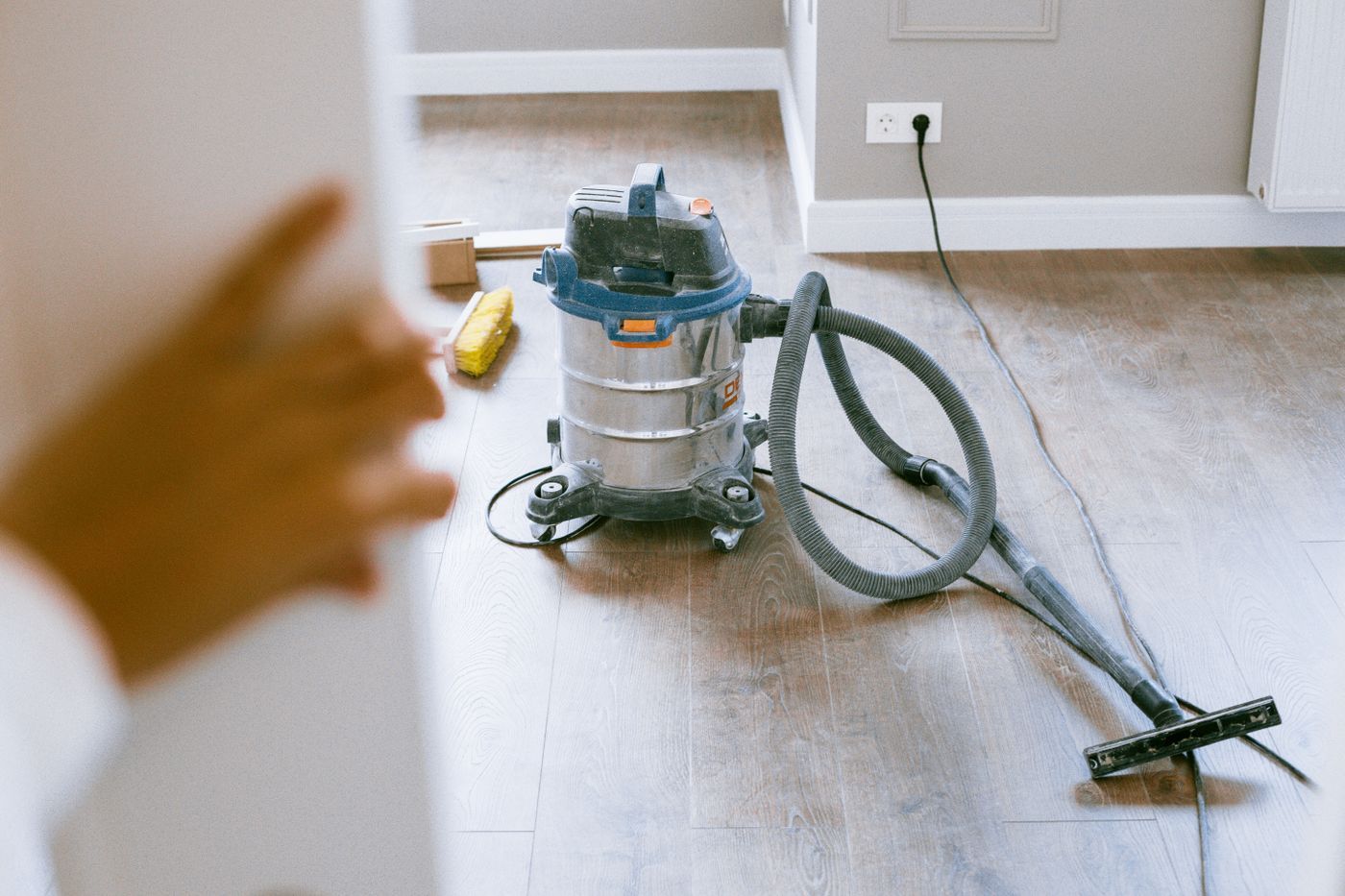
What is not included
- Removing rubble and construction waste, which goes into a skip or to a recycling centre
- Stripping, sanding and repainting, which belong to the trades
- Repairing a floor damaged during the work
- Outside windows needing a cherry picker or facade access
- Cleaning during the work, between two trades
- Restoration after water, fire or mould damage
Something extra to add? Many providers are happy to take on an additional task. Agree it before booking, it saves misunderstandings on the day.
Why choose Swigo for your post-construction clean
A Geneva platform, providers vetted one by one, and the last word left to you.
-
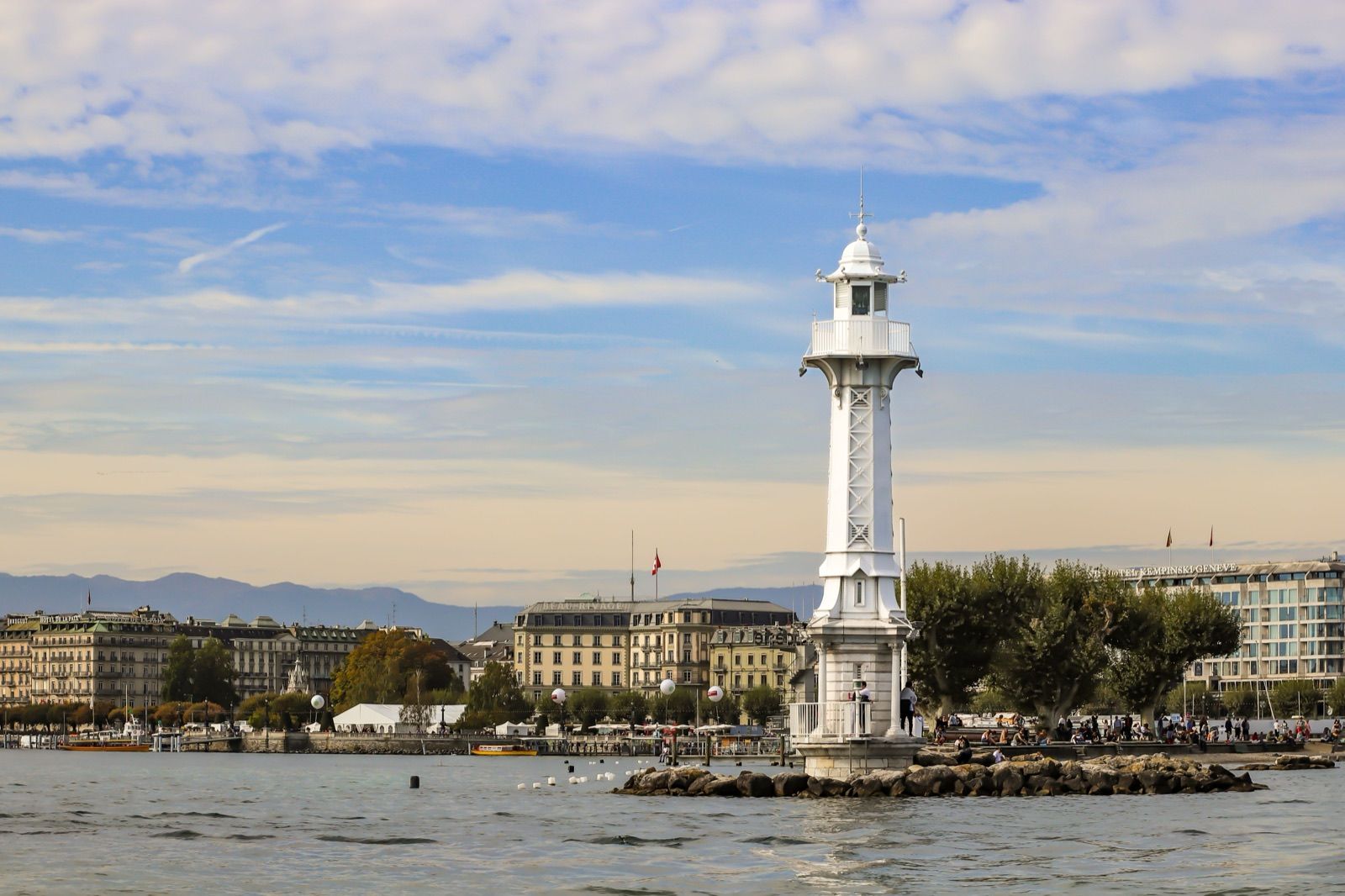
A Geneva platform
Your data stays in Switzerland and is never sold on.
-

Vetted by hand
Identity, right to work and liability insurance checked before publication.
-

You choose
Profiles, reviews and rates side by side. Nobody is imposed on you.
-

Paid once the service is done
The amount only reaches the provider after the service.
Where construction dust ends up
-
The ventilation
Grilles, extract vents and service ducts. It is the first place people forget, and the one that throws dust back at you for weeks every time the system restarts.
-
Runners and rebates
Sliding window runners, rebates, thresholds, hinges. Dust turns to paste there the moment you wash, and it only comes out dry, with a vacuum, before any water goes near it.
-
New floors
Freshly laid parquet or tiling is washed with several changes of water and very little product. The white film that lingers almost always comes from insufficient rinsing rather than from the floor.
-
Stuck-on residues
Paint, glue, silicone, labels. These are scraped off with a blade held flat, on glass and stainless steel only. On a delicate surface, a mark left behind beats a scratch that stays for good.
A well-cleaned site does not show, which is what makes this service thankless and easy to underestimate. Allow generously, plan the second pass at the time of booking, and only lay rugs and fitted carpets after it. On Swigo you compare the profiles, reviews and rates of the providers available in your municipality, from Geneva to Carouge, Meyrin, Vernier or Lancy, and you choose yourself who puts the place back in order.
Frequently asked questions, post-construction cleaning
Timing, rubble, the two passes: the questions that come up most often.
When should the clean be booked?
After the last trade has been through, touch-ups included, and once the rubble has been removed. Book the slot one to two weeks ahead but keep some flexibility on the date: building work almost always slips by a few days.
Is the rubble taken away?
No. Plaster bags, offcuts, paint tins and packaging count as construction waste: they go into a skip or to a recycling point, and they do not belong in the building’s bins. A provider can take out a few boxes, they cannot clear a building site.
Why two visits?
Because fine dust stays airborne and settles over several days. The first pass makes the place usable, the second, three to seven days later, picks up what has come back down. If you can only have one, have it as late as possible before moving in.
How long should I allow?
A day for a fully renovated flat, half a day for a single room or a bathroom. Structural work involving demolition takes longer: cement dust is heavier and more abrasive than plaster dust.
How is this different from a deep clean?
Deep cleaning deals with everyday dirt built up in a lived-in home. Post-construction cleaning deals with mineral dust and material residues, with different equipment, a site vacuum and filters, and a precise order of work, top down and dry before wet.
Related services
Three neighbouring services, three different intentions. Here is how to pick the right one.
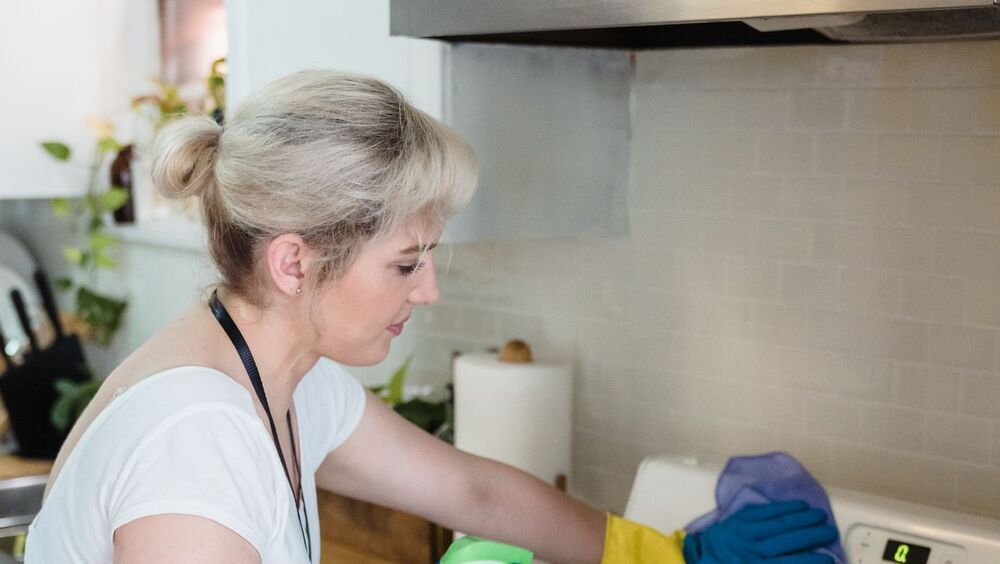
Deep cleaning
No building work involved: a thorough clean of a lived-in home, once or twice a year.
See more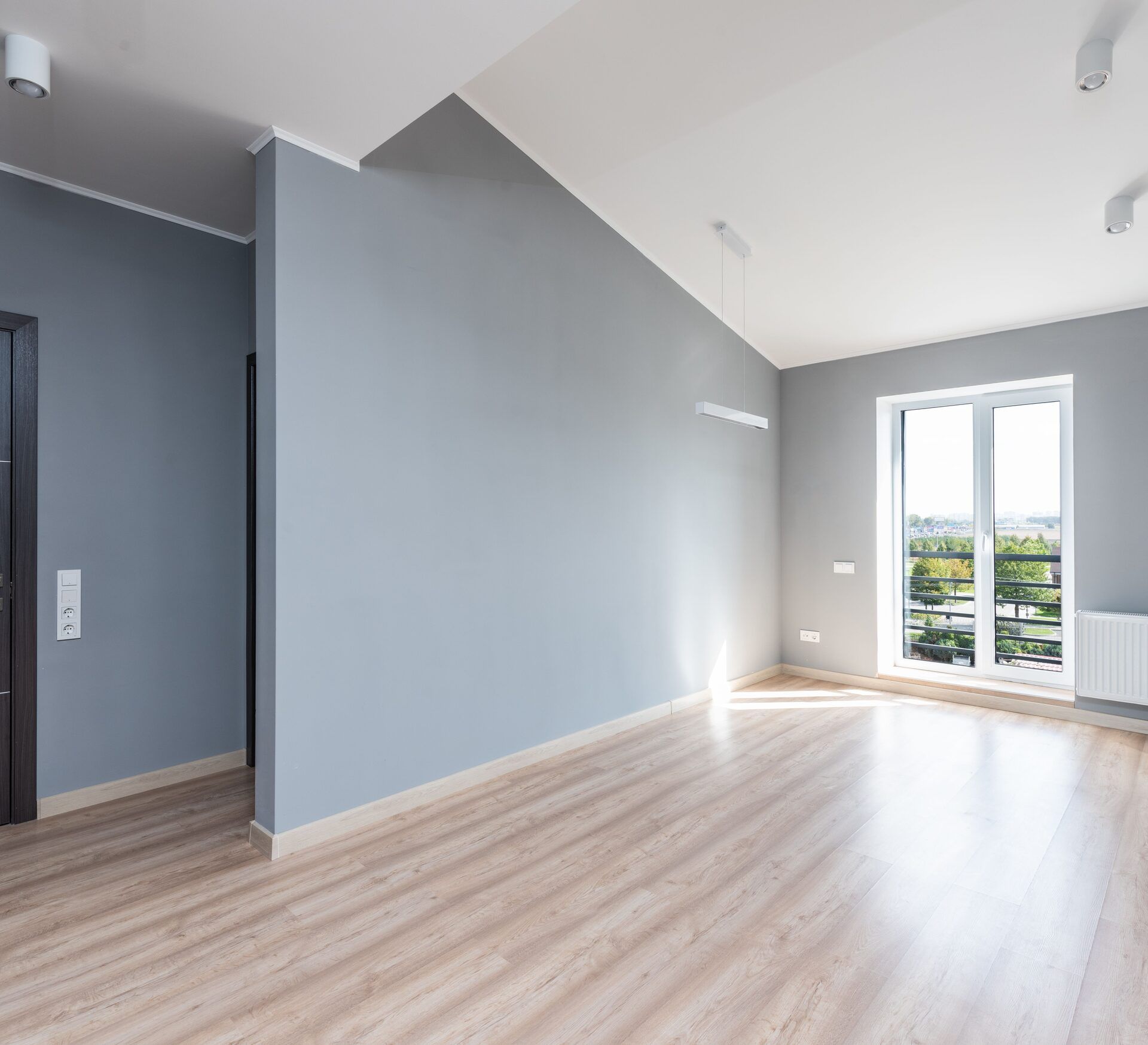
End of tenancy cleaning
You are handing the flat back: the restoration the agency expects, before the inventory check.
See more
Handywork and small repairs
The finishing touches the trades will not come back for: fixings, seals, adjustments.
See moreIs the building work finished?
Compare the providers available in your municipality, and book the one you trust.